 Emergency shower ,Safety eyewash supplier-Shanghai Shenqi Machinery Equipment

Emergency Eyewash Stations for Tool Rooms and Calibration Labs
0Learn how tool rooms and calibration labs use compact eyewash stations for cleaning fluids, precision oils, solvents and small maintenance chemicals.
View detailsSearch the whole station
Cleanroom safety planning often focuses on production rooms, laboratories and material preparation areas, but gowning and de-gowning spaces also deserve attention. Workers may pass through these areas while carrying containers, cleaning tools, disinfectants, sterile wipes, sampling materials or small bottles of process liquids. In some facilities, gowning rooms are also used as transition zones between chemical handling rooms and controlled production areas. If a worker experiences eye exposure while entering or leaving the cleanroom, emergency flushing equipment should be nearby and easy to reach.
Cleanroom facilities usually have strict rules for contamination control. Because of this, safety equipment cannot be selected only by function. It also needs to support easy cleaning, organized layout and controlled traffic flow. A large, poorly placed emergency shower may interfere with movement, while a hidden eyewash station may not be useful during an accident. The goal is to place the right type of emergency equipment where it supports both safety and cleanroom operation.

For gowning and de-gowning areas, stainless steel emergency eyewash equipment is often a practical choice because it is durable, smooth and easy to clean. A wall mounted eyewash station may be suitable if eye exposure is the main risk and floor space is limited. In larger transition areas where cleaning liquids or transfer containers are handled, a combined emergency shower and eyewash station may be considered. If the area is connected to a production suite with higher exposure risks, emergency coverage should be reviewed together with the adjacent room layout.
Dust covers or bowl covers can help keep the eyewash station cleaner between inspections. The equipment should have smooth surfaces and simple shapes that do not collect dust or residue easily. If the cleanroom facility uses color-coded areas, the eyewash station should still remain highly visible without creating visual clutter. Clear safety signage is important, but it should be positioned in a way that matches the facility’s cleanroom design standards.
Gowning areas often have benches, garment storage, shoe-changing zones, handwashing sinks and waste bins. These items can easily block emergency access if the layout is not planned carefully. The eyewash station should be placed where workers can reach it without crossing too many barriers. If the worker’s vision is affected, a simple and direct route is especially important.
Routine inspection should include spray head cleanliness, valve operation, water flow, signage and the surrounding access route. Cleanroom teams should also include emergency equipment in their cleaning schedule. If portable eyewash products or eyewash saline are used as supplementary support, they should be stored in visible locations and checked for expiration dates.
Conclusion: Cleanroom gowning and de-gowning areas may not be the main production zone, but they can still involve exposure risks during material transfer, cleaning and transition work. By selecting cleanable stainless steel equipment, keeping access routes clear and integrating inspections into cleanroom management, facilities can improve emergency preparedness without disrupting controlled operations.

Learn how tool rooms and calibration labs use compact eyewash stations for cleaning fluids, precision oils, solvents and small maintenance chemicals.
View details
Learn how medical device assembly and cleaning areas use emergency eyewash stations for cleaning agents, testing liquids and production safety.
View details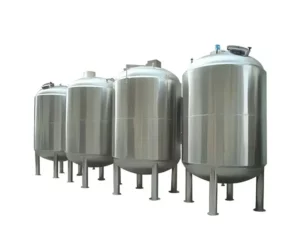
The Strategic Heart of Industrial Processing In the vast ecosystem of industrial manufacturing, pressure vessels stand as critical components, silently enabling processes across energy, chemical, petrochemical, and pharmaceutical sectors. These a...
View details
In many regions, manufacturing facilities and industrial workplaces may be subjected to harsh winter conditions, with freezing temperatures posing a significant threat to the functionality of critical safety equipment, such as emergency shower and...
View details
HelloPlease log in